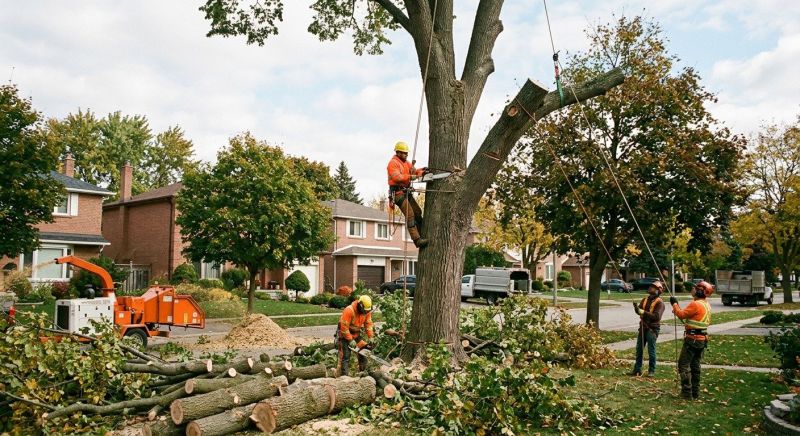
Elm Tree Removal in Montgomery County, PA
Elm tree removal services involve the careful and efficient removal of elm trees that are dead, diseased, or pose a safety risk to a property. These projects typically include assessing the tree’s condition, planning the safest method of removal, and performing the work to ensure minimal impact on the surrounding landscape. Homeowners often request this service when a tree has become unstable, shows signs of decay, or has become an obstacle in yard maintenance or construction projects.
Property owners considering elm tree removal usually want to understand the scope of the work, including the potential impact on their landscape and the steps involved in safely removing the tree. It is also common to inquire about stump removal options and how the removal process might affect nearby structures or utilities. Clear communication about the process and any necessary preparations can help ensure the project proceeds smoothly and safely.
Many property owners in Montgomery County, PA look into Elm Tree Removal for repairs, replacements, upgrades, and appearance-related improvements.
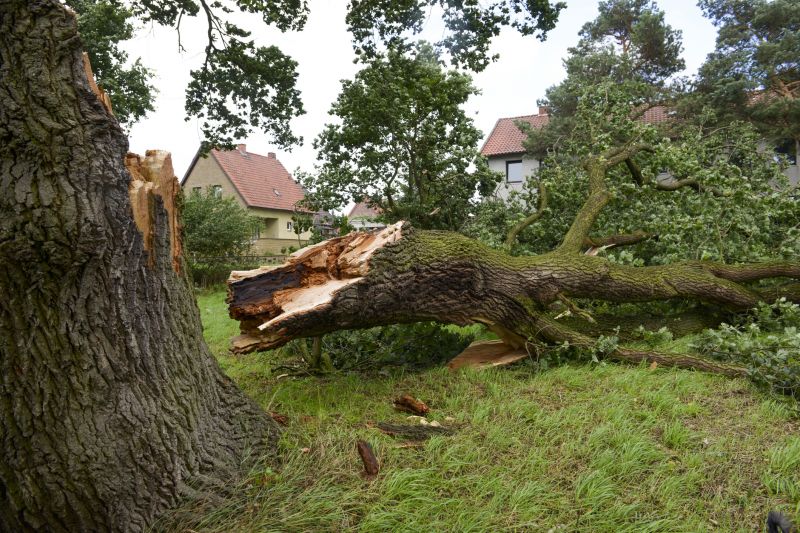
Reasons For Elm Tree Removal
Removing damaged or diseased elms helps protect surrounding trees and property.
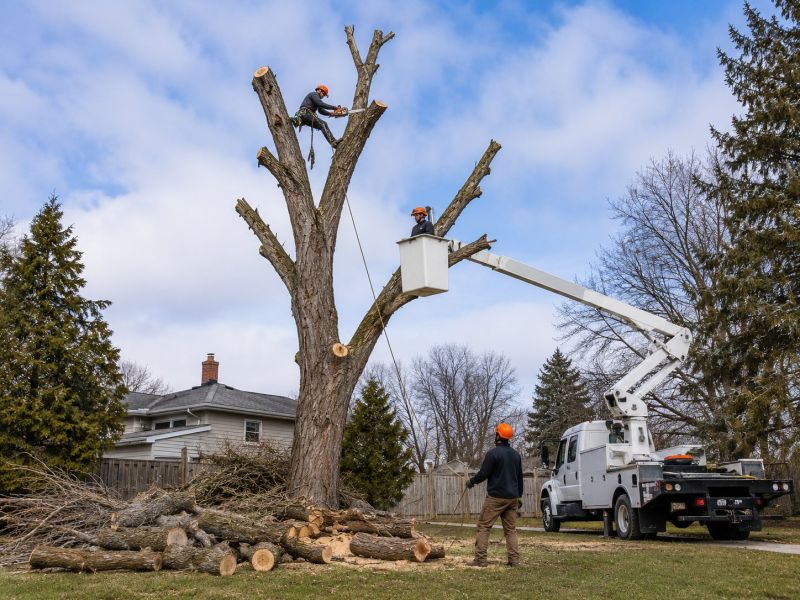
Elm Tree Removal Process
The process involves careful cutting and cleanup to ensure safety and minimize impact.
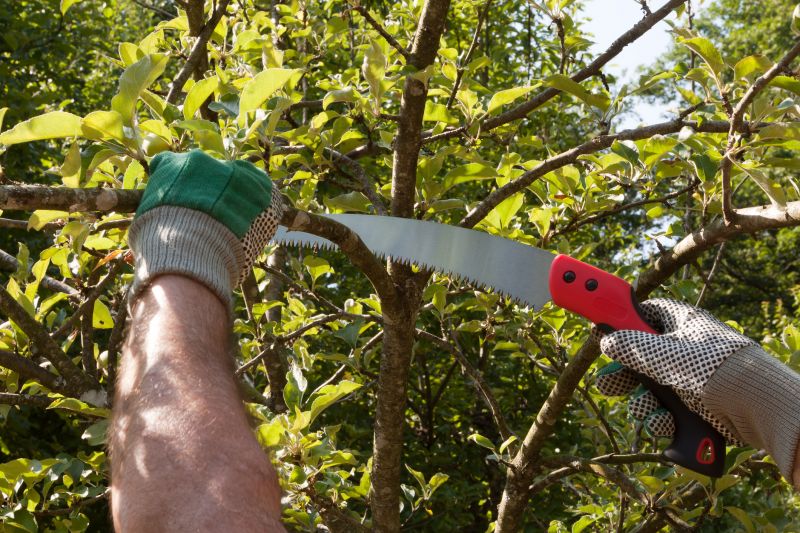
Post-Removal Landscaping
After removal, property owners can explore options for stump grinding and landscape restoration.
Elm Tree Removal in Montgomery County, PA
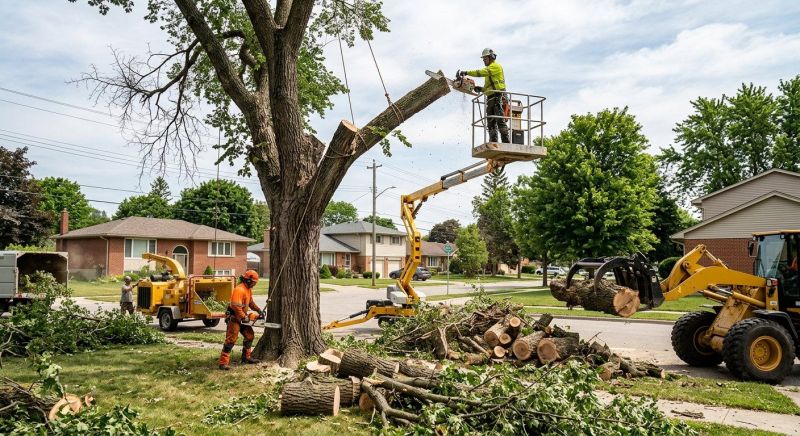
Elm tree removal services involve the careful and efficient removal of elm trees that are dead, diseased, or pose a safety risk to a property. These projects typically include assessing the tree’s condition, planning the safest method of removal, and performing the work to ensure minimal impact on the surrounding landscape. Homeowners often request this service when a tree has become unstable, shows signs of decay, or has become an obstacle in yard maintenance or construction projects.
Property owners considering elm tree removal usually want to understand the scope of the work, including the potential impact on their landscape and the steps involved in safely removing the tree. It is also common to inquire about stump removal options and how the removal process might affect nearby structures or utilities. Clear communication about the process and any necessary preparations can help ensure the project proceeds smoothly and safely.
Many property owners in Montgomery County, PA look into Elm Tree Removal for repairs, replacements, upgrades, and appearance-related improvements.
Common Elm Tree Removal Jobs
Elm Tree Removal - safely removes damaged or overgrown elm trees to protect property and landscape.
Emergency Elm Tree Removal - handles urgent removals caused by storm damage or safety hazards.
Stump Removal - clears remaining stumps after elm trees are cut down to prevent regrowth.
Selective Elm Tree Removal - removes specific limbs or sections to improve tree health or aesthetics.
Complete Elm Tree Removal - removes entire trees that are diseased, dead, or pose a risk to structures.
Tree Pruning and Trimming - maintains elm tree health and shape to prevent future removal needs.
Elm Tree Removal Questions
Why remove an elm tree? Removing an elm tree can prevent potential hazards such as falling branches or tree failure, especially if the tree shows signs of disease or damage.
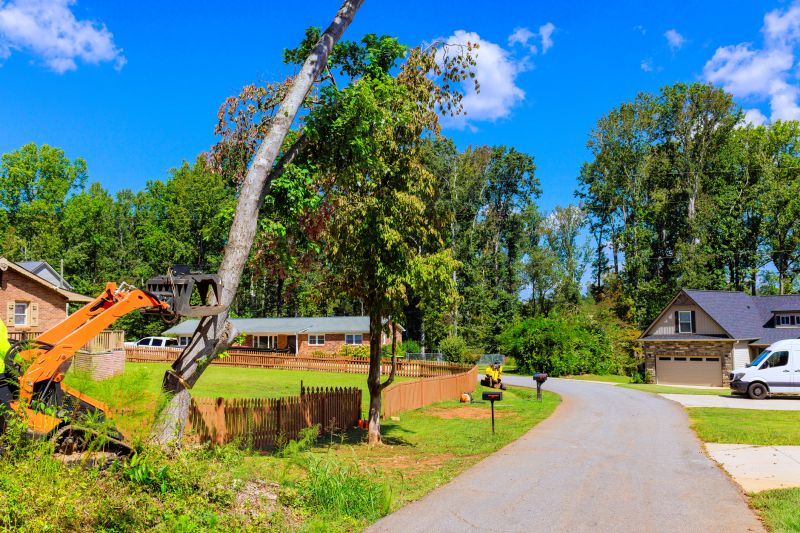
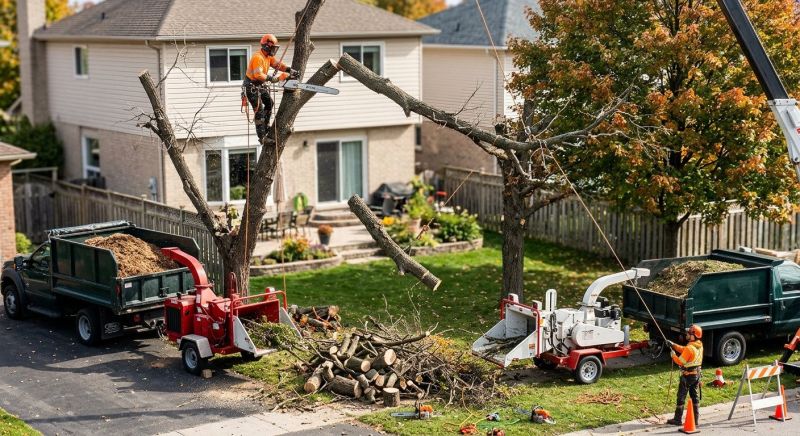
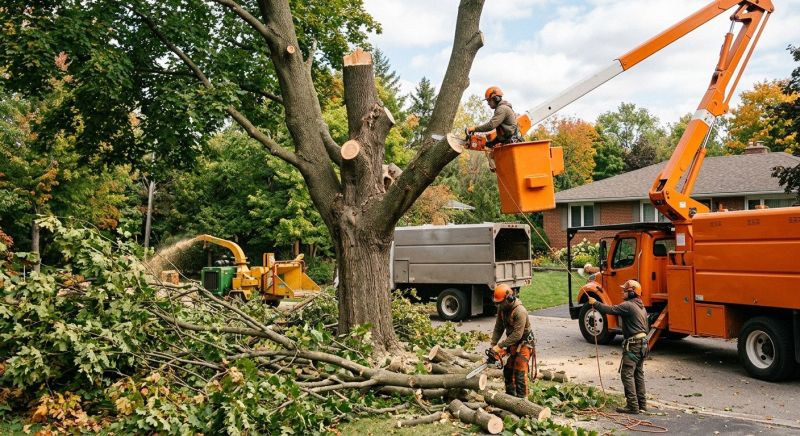
How is an elm tree removed? The process involves carefully cutting and removing the tree, with attention to minimizing impact on the surrounding area and property.
When is the best time for elm tree removal? Elm trees can be removed at any time of year, but late winter or early spring is often preferred for less leaf interference and better access.
What should be done after elm tree removal? Stump grinding and site cleanup are typically performed to restore the landscape and prevent regrowth or pest issues.
Request Elm Tree Removal in Montgomery County, PA
Use the quote form on this page to share the basics of your project and request more information for the type of work you need.